


A stroke changes life in a blink. One moment, you will feel that everything is normal. In the next moments, actions like speaking clearly, walking properly in the room and lifting a cup of coffee can feel difficult and overwhelming. We believe that for patients and their families, the hospital stage is only the start. The real healing journey starts at home. Going home after a stroke is a comforting and difficult experience. It represents safety and understanding. However, it also raises new duties, routines and adjustments.
With the right plan, support system and expert help, post stroke recovery at home can become a structured and safe experience. We believe that healing is not limited to discharge from the hospital. However, it requires careful planning, ongoing help and emotional support to help you gain freedom and confidence again.
Understanding What Changes After a Stroke
A stroke problem happens when blood flow to part of the brain is blocked. This happens either due to a blockage or a bleed. This is based on the area where the brain is affected. A survivor may experience physical, cognitive, emotional or speech related challenges after surgery.
Common post-stroke changes include:
- You will feel weakness on one side of the body, difficulty in walking, poor balance or tiredness.
- Speech and language problems, including problems in spelling words or understanding speech.
- Mental changes, like memory loss, slower thinking or difficulty in focusing.
- Emotional changes, including mood swings, anxiety or depression.
The experience of everyone is different. Not every recovery journey is the same. This is why complete planning is required. Especially when the patient comes from hospital care to home care.
Read Also: Post-Surgery Recovery at Home: A Guide for Dubai Patients
Preparing the Home for Recovery
Before the discharge, you should check that the home environment supports safe mobility and daily functioning or not. A few changes can make effective results and reduce risks.
Safety modifications may include:
- Installing bars in bathrooms to grab.
- Removing loose carpets or waste to control falls.
- Make sure to install good lighting in the house.
- Rearranging furniture to make a way for wheelchair or walker movement.
- Shifting the bedroom on the ground floor if stairs are difficult.
Small changes can make a safer and more supportive space for post stroke recovery at home and provide survivors with complete peace of mind.
The Role of Rehabilitation at Home
Restoration is the basis of recovery. In many cases, patients receive physiotherapy, occupational therapy and speech therapy in the hospital. However, it is important to continue the same at home.
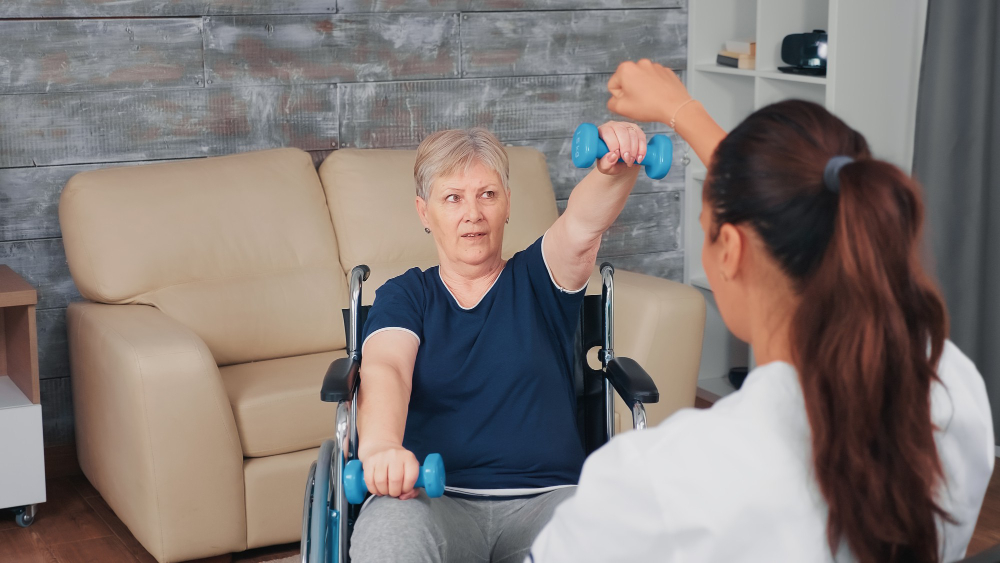
- A doctor focuses and helps in gaining power, balance and skills to coordinate. Routine exercise can help train muscles and improve mobility.
- Expert therapy helps you learn daily activities, including dressing, cooking or bathing. The goal of the therapy is to fix freedom in everyday tasks.
- Speech therapy handles communication challenges, eating difficulties and language understanding issues.
At Proactive Care, we highlight structured restoration plans to fulfil the needs of a survivor. We believe that even small daily improvements can lead to notable long term profits.
Building a Daily Routine
The success of the recovery depends on its structure and routine. Creating a daily routine plan helps you reduce confusion and build momentum. However, a balanced routine may include;
- Morning exercises to improve mobility.
- Personal hygiene practice with help if needed
- Mental activities such as reading or memory exercises
- Rest periods to manage tiredness
- Social exchange with family or friends
Facing tiredness is common after a stroke. Balancing activities with rest is an important step. Overpushing your body can delay progress. It is suggested to listen to your body and make adjustments for an effective recovery.
Managing Emotional and Psychological Health
Physical recovery is only one part of the journey, healing emotionally is also an equally important part of the recovery journey.
- It is normal to feel frustration, sadness or fear for the stroke survivors. Losing freedom can feel discouraging and self distrust. There are chances that the family members may also feel difficulties in managing new caregiving duties.
- It is important to maintain open communication within the families. Counselling or support groups can provide valuable adaptive techniques. Which helps you celebrate small successes and helps with rebuilding confidence and maintaining motivation.
- We at Proactive Care encourage families to recognise that emotional wellness is also a major part of post stroke recovery at home journey. Mental health support is a major part of the journey.
Nutrition and Lifestyle Adjustments
A healthy supports in lifestyle can help in healing the brain and reduce the risk of future strokes. Doctors also suggest changes in your diet. Which includes:
- Reduce the intake of salt
- Limiting saturated fats
- Increasing fruits, vegetables and whole grain foods
- Make sure to stay hydrated
Managing underlying conditions, like high blood pressure, diabetes and cholesterol, is also required. It is important to follow the diet and take medications and they must be monitored carefully. Gentle physical activity, once approved by healthcare experts, can improve cardiovascular health and overall strength of the body.
The Importance of Caregiver Support
Caregivers play an important role in the journey of the home recovery. Their duties may include;
- Assisting with mobility
- Managing medications
- Scheduling therapy sessions
- Providing emotional encouragement
It is suggested that the caregivers are also required to take care of themselves. The common issue in the support system is denied. However, aiming for rest care, delegating duties and hiring skilled home care services can help you ease your load.
At Proactive Care, we work closely with families to provide expert care, complete support and help in healing. Also, we make sure that both survivors and caregivers feel supported.
Monitoring Progress and Setting Realistic Goals
Recovery after a stroke is rarely linear. Some days show improvement. Others may feel stagnant. However, setting realistic, short term goals can create effective progress.
For examples:
- Walking alone for five minutes
- Completing personal grooming tasks without help
- Speaking in full sentences
- Improving hand grip strength
Tracking the progress is really helpful in maintaining and improving motivation. It also allows healthcare providers to change therapy plans when needed.
Post stroke recovery at home requires some patience. You should know that the progress may be slow, but constant effort often delivers meaningful results.
Preventing Secondary Complications
Stroke survivors are at risk of complications such as:
- Pressure sores due to limited mobility
- Muscle stiffness or contractures
- Blood clots
- Falls
Preventative steps include help with routine tasks, light stretching, good hydration and safe mobility techniques.
Regular follow ups with healthcare experts are important to monitor blood pressure, heart health and neurological status.
Technology and Remote Support
Modern healthcare solutions have developed to remote monitoring and tele rehabilitation. Online therapy sessions, reminders for medication and digital health tracking tools can support recovery from home.
Proactive care mixes modern techniques with human care that make sure you have access to both skilled expertise and technological support where applicable.
Rebuilding Independence and Confidence
One of the most powerful aspects of recovery is gaining freedom again. Even small achievements matter.
- Being able to pour a glass of water independently
- Walking a short distance without support
- Having a clear conversation
These milestones restore dignity and self confidence.
Family members should promote independence with making sure the safety of the survivors. Providing over support and protection can sometimes make the progress slow.
Conclusion
A stroke may change many aspects of life, but it does not decide the future of a person. You return to work, hobbies and activate your social lives again with the right support. Healing is not just about retrieving lost function. It is about adapting, learning new strategies and adopting strength. Post stroke recovery at home is a journey where you will require the support and help of every family member. However, with the right care, emotional support, small adjustments and expert help, you can gain your strength and confidence once again.
At Proactive Care, we are committed to making home healing processes safe, effective and understandable. We partner with families to transform uncertainty into structured care and provide measurable progress.
FAQ
How long does post stroke recovery at home usually take?
Recovery timelines can totally depend on the severity of the stroke, age, health and plan of taking care. Some improvements show in a few weeks. However, others may continue for months or years. Constant therapy and routine management can impact outcomes.
What are the most important therapies during home recovery?
Physiotherapy, occupational therapy and vocabulary therapy are the central parts. These therapies handle mobility, daily functioning and communication problems. A focused plan ensures effective improvement.
How can families make the home safer for stroke survivors?
You can make simple changes, like installing grab bars, removing unsafe materials, good lighting and arranging easy entry to important parts of the house, which can greatly improve safety in the time of recovery.
Is emotional support necessary during recovery?
Yes. Emotional wellness is important. Stroke survivors may face issues like anxiety, depression or frustration. However, with open family communication and support groups can improve mental strength and overall recovery results.
When should professional home care services be considered?
If the survivor requires routine therapy, medical monitoring, help with daily activities or if caregivers feel it is difficult. Expert support can improve safety and speed up recovery.