

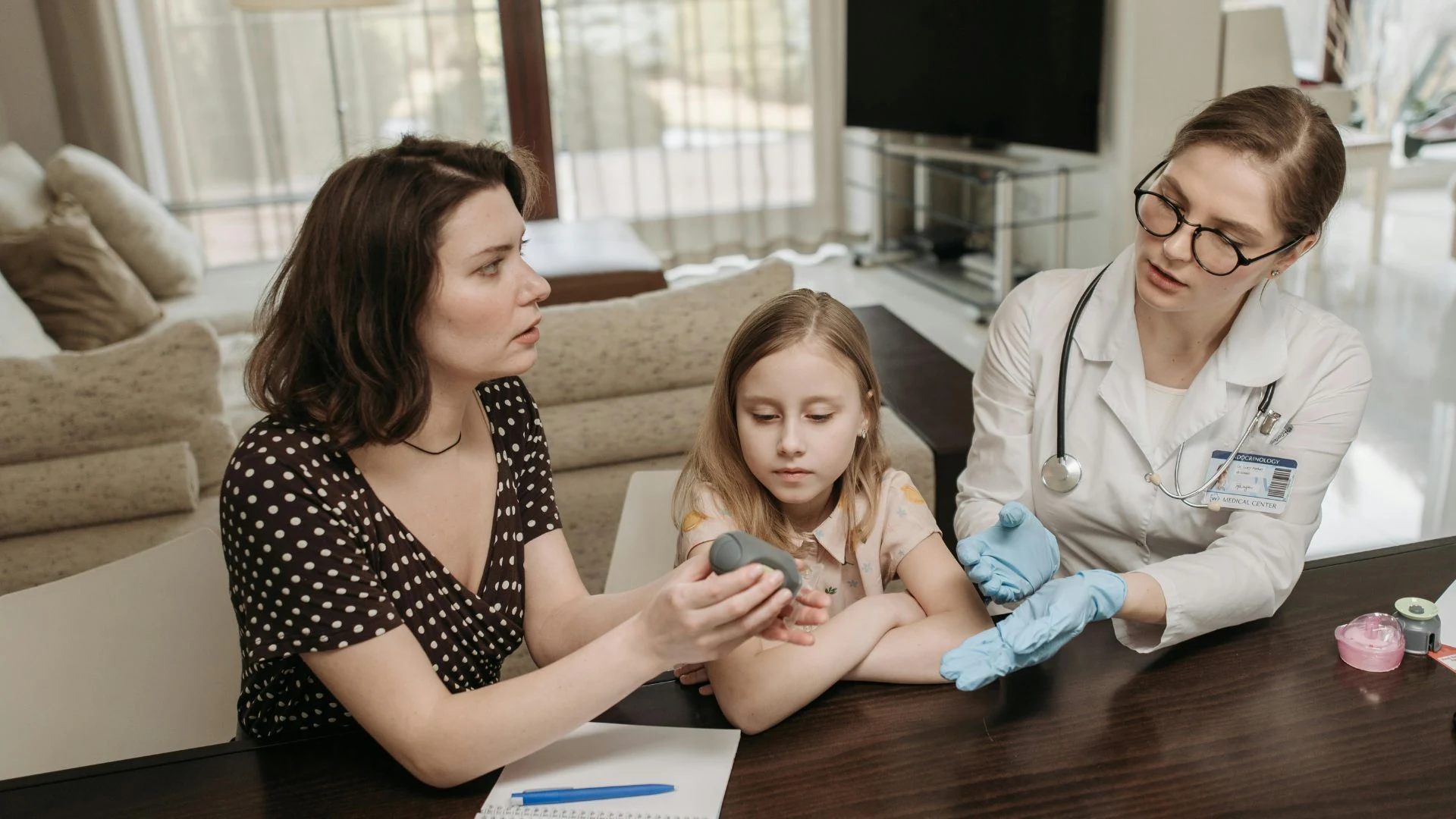


Speech is something that individuals hardly pay attention to until communication becomes hard to deal with. A child working hard to pronounce simple words, a teenager running from conversations because of fear or an adult recovering after a stroke can all meet daily frustrations that others may not see. In a busy city like Dubai family have tight timetables and traffic is massive. It can turn short trips into long commutes which makes taking therapy consistently tough.
That is why home based support is becoming way more worthwhile. Rather than forcing therapy into an unfamiliar clinical setting many families are going for a more comfortable option that fits naturally into daily life. Speech therapy at home offers convenience, comfort and often stronger long term progress for both children and adults.
Why is Speech Therapy at Home Becoming Popular?
Home-based healthcare has grown greatly in recent years, particularly in major urban areas. Families today prefer services that save time while delivering quality care. This trend has also influenced speech and language therapy. Speech therapy helps individuals improve communication, language comprehension, articulation, fluency, voice quality and swallowing abilities. While clinic sessions remain common, many parents and caregivers are discovering that therapy at home creates a more relaxed and practical learning environment. For both children and adults, a setting they know well can lower stress and add to engagement. This makes therapy sessions more productive and easier to keep up with consistently.
How Does Speech Therapy at Home Create a More Comfortable Learning Environment?
Among the major benefits of Speech Therapy at Home in Dubai is comfort. Many children feel alone in clinical settings. Bright lights, strange tools and new people can add to their anxiety. Adults recovering from neurological conditions may also feel emotionally weak in medical environments. At home, therapy happens in a safe and familiar area. Children feel secure when their surroundings are full of toys, family members and routines they live with. Adults feel free mind and more willing to participate. Comfort matters because open individuals communicate more naturally. Therapists can observe genuine speech patterns rather than behavior that comes from stress. This leads to more accurate assessments and more effective treatment plans.
Why Does Home Therapy Improve Consistency in Sessions?
Progress in speech therapy depends heavily on consistency. Missing sessions can slow improvement. In Dubai, busy schedules, long commutes and unpredictable traffic often interfere with appointments. Home sessions eliminate travel. That means:
- Less scheduling stress
- Fewer cancellations
- Better attendance
- Faster continuity of care
Consistent therapy produces stronger results because skills are reinforced regularly. Research across speech pathology programs shows that frequent practice and repetition improve communication outcomes significantly, especially in children with developmental speech delays. This is one of the strongest Speech Therapy Benefits for Children and Adults.
Can Therapy at Home Improve Real-Life Communication Faster?
Yes and this is among the most practical concessions. Speech therapy should not only improve performance during a session. It should improve real-life communication. At home, therapists can work directly within everyday scenarios. Examples include:
- Asking for water
- Responding during family conversations
- Reading bedtime stories
- Ordering food during mealtime
- Practicing social greetings
Instead of simulated exercises, therapy becomes functional. A child learning vocabulary may practice using actual household objects. An adult recovering speech after a stroke may practice speaking during daily routines. This practical approach improves generalization meaning the person uses new communication skills outside therapy sessions. That is often harder to achieve in clinics.
How Does Pediatric Speech Therapy at Home Help Children Learn Better?
Pediatric speech therapy at home comes with special benefits because children learn best when they play or follow a routine. Young children rarely respond well to rigid and formal instruction. They learn from instruction, repetition, imitation and emotional connection. At home therapist can use:
- Favorite toys
- Familiar books
- Household objects
- Play-based activities
This makes sessions engaging rather than exhausting. A therapist can turn a simple toy kitchen into a language lesson involving action words, nouns, social integration and sentence formation. Children usually participate longer and show stronger motivation in home settings. That improved engagement supports faster development in:
- Vocabulary
- Pronunciation
- Sentence structure
- Social communication
Why Does Family Involvement Matter So Much in Speech Therapy?
Speech therapy works best when families actively give their participation equally. Home based sessions naturally grow caregiver involvement. Parents, siblings and caregivers can monitor therapy in real time. They learn methods directly from professionals rather than relying only on written instructions. This makes stronger reinforcement between sessions. For example, parents may learn how to:
- Encourage word formation
- Correct pronunciation gently
- Reduce communication frustration
- Support language-building games
Children especially benefit when therapy techniques continue throughout the week. Studies in paediatric speech intervention consistency show that caregiver participation makes long term communication outcomes better. This makes family involvement among the most crucial speech therapy benefits for children and adults.
Can Home Therapy Reduce Anxiety and Build Confidence?
Absolutely, speech difficulties usually affect confidence. Children can run from speaking in the classroom because they fear that they will face judgment or a test. Adults with stuttering or voice disorders can avoid meetings, calls or social gatherings. Therapy at home removes many pressure triggers. The private environment allows individuals to practice without fear of judgment. This matters emotionally. When people feel safe, they take more communication risks. They attempt longer sentences, practice difficult sounds and engage in conversations more willingly. Confidence grows gradually. Over time, better communication lowers emotional stress and social withdrawal.
How Does Home-Based Therapy Help Adults Recover After a Medical Condition?
Speech therapy is not only for children. Many adults need therapy after medical conditions such as:
- Stroke
- Brain injury
- Parkinson’s disease
- Multiple sclerosis
- Vocal cord disorders
- Post-surgery speech issues
In Dubai, home rehabilitation is increasingly preferred for adults with mobility challenges. Traveling to clinics after illness can be physically exhausting. Home therapy removes that burden. Therapists can assess how communication challenges affect daily life directly. For example, they can observe whether a patient struggles with:
- Phone conversations
- Family interaction
- Reading instructions
- Swallowing during meals
This helps create personalized rehabilitation plans. For adults, convenience often means greater adherence to treatment.
Why Is Personalized Therapy Better at Home?
Every speech challenge is different. Two children who have gotten their speech therapy late may need completely different intervention methods. Two adults recovering from stroke may face entirely different communication barriers. At home, therapists gain deeper context. They can assess lifestyle, routine, communication habits and environmental triggers. This leads to highly custom therapy plans. Instead of generic drills, treatment becomes tailored to the person’s needs. Personalization may include:
- Accent adaptation
- Multilingual communication support
- Cultural communication patterns
- Family language preferences
This is especially relevant in Dubai, a multicultural city where many households speak multiple languages. Therapists usually adapt sessions for bilingual or multilingual families. That personalization improves progress.
Does Home Speech Therapy Save Time and Energy?
Yes, it saves a lot of time. Many families in Dubai juggle school schedules, office work, caregiver responsibilities and household commitments. Travelling to appointments can consume hours every week. A 45 minute session may need two additional hours of commuting and waiting. Home therapy saves that time. Here is an example of average weekly time saved:
| Factor | Clinic Visit | Home Session |
| Travel | 60-120 min | 0 min |
| Waiting Time | 15-30 min | 0-5 min |
| Session Time | 45-60 min | 45-60 min |
For many households, home therapy saves 2-6 hours weekly. That extra time can have other uses in practice, family routines or rest. This practical convenience is a major reason demand is rising.
Can Home Speech Therapy Deliver Better Long Term Results?
The ultimate goal of therapy is strong improvement. Home therapy usually supports better long term outcomes because it combines multiple benefits:
- Comfort
- Consistency
- Personalization
- Family support
- Practical learning
These factors work together to give you better results. Speech progress does not happen overnight. It develops from small improvements when you repeat them again and again. When therapy becomes part of everyday life rather than a separate clinic event, long term success becomes more possible. Children gain stronger communication foundations. Adults regain independence more effectively. That makes home therapy a powerful long-term solution.
What Conditions Can Speech Therapy Help With?
Speech therapists support a variety of communication and swallowing hardships. Common conditions involve:
- Speech delay
- Language delay
- Autism-related communication difficulties
- Stuttering
- Apraxia of speech
- Dysarthria
- Voice disorders
- Swallowing difficulties
- Post-stroke communication impairment
Early intervention usually leads to better outcomes. For children, starting support during developmental years can greatly make their language growth way better. For adults, timely rehabilitation can improve recovery and quality of life.
Original Data: Why Families Prefer Home-Based Therapy
Recent healthcare delivery trends in urban regions show strong demand for home services. Based on industry observations across GCC healthcare sectors:
- Nearly 60-70% of parents prefer home sessions for younger children under age 8
- Around 50% of adult rehabilitation patients report better comfort at home
- Missed appointments can reduce by 30-40% with home care models
While actual numbers differ by provider and region, the trend is clear: convenience enhances consistency and consistency enhances results.
Conclusion
The growing demand for home healthcare in Dubai reflects a simple reality, people want care that fits real life. The Benefits of Speech Therapy at Home are above the amenity it comes with. Home-based sessions create comfort, encourage participation, improve consistency and make therapy more relevant to everyday communication. No matter if it is for supporting a child with speech that he or she could not get early or helping an adult recover after illness, therapy at home can create meaningful progress over time. Families seeking flexible and practical speech support often explore trusted providers such as Proactive Care for personalized assistance.
FAQ’s
Q. Is speech therapy at home effective for children?
Yes, many children respond better at home because they feel comfortable and engaged. Familiar surroundings usually promote participation and learning.
Q. Who needs speech therapy?
Speech therapy helps children and adults with speech delays, language disorders, stuttering, voice problems and swallowing hardships.
Q. How long does speech therapy take?
Duration totally go with severity of the condition, therapy frequency and individual progress. Some people improve in months, while others need longer term support.
Q. Is home speech therapy suitable for adults?
Yes, adults recovering from stroke, neurological conditions or voice disorders often benefit greatly from home based therapy.
Q. How often should speech therapy sessions be scheduled?
Most therapy plans involve 1-3 sessions per week but how many times you should take this decides the treatment goals and therapist recommendations.